What Is a Tooth Extraction?
A tooth extraction is the complete removal of a tooth from its socket in the jawbone. The procedure involves loosening the tooth and its root system from the surrounding bone and tissue, then removing it with forceps.
When extraction is necessary, our periodontists consider both the immediate procedure and its long-term implications. They use precise techniques to minimize impact on the neighboring teeth and supporting structures. This careful approach is always beneficial, but it’s especially important if you’re considering future tooth replacement options like dental implants.
Do I Need a Tooth Extracted?
There are several situations in which tooth extraction may be the best option for protecting your oral health:
Advanced Periodontal Disease
Advanced periodontal disease is one of the most common reasons for tooth extraction. When severe gum disease causes significant bone loss around a tooth, the supporting structures may become too compromised to save the tooth. In these cases, removing the affected tooth can prevent the infection from spreading to your healthy teeth.
Severe Decay or Damage
We can often save decayed teeth through treatments like fillings or root canals. However, if the decay is severe, restoration may no longer be possible. Removal becomes the better option when the decay reaches below the gum line or compromises most of the tooth structure.
Trauma
Trauma or injury to a tooth can occur from an accident, sports injury and other types of impact. Severely fractured teeth sometimes cannot be saved through other dental procedures. Removal becomes the best path forward.
Impacted Wisdom Teeth
Third molars (wisdom teeth) often need removal if they are unable to emerge properly through the gum line or are growing at an angle that could damage other teeth. Removal prevents potential complications.
Orthodontic Considerations
Sometimes teeth need to be removed for orthodontic purposes. If your jaw doesn’t have enough space to align all your teeth properly, extractions can create the room needed for your orthodontic treatment to be successful. This decision is typically made in consultation with your orthodontist.
Risk of Infection
If you have a compromised immune system or are preparing for certain medical treatments, we might remove potentially problematic teeth as a preventive measure. The connection between oral health and systemic health is an important consideration in our treatment planning.
What Kinds of Tooth Extractions Are Available?
There are two main types of tooth extractions. The type you’ll need depends on factors like the tooth’s condition and position in your mouth.
In both types of extractions, we focus on your comfort and the long-term health of your mouth. We’ll thoroughly explain which type of extraction you need and why, so you feel confident about your procedure.
Simple Extractions
A simple extraction is just what it sounds like—straightforward removal of a tooth that’s fully visible in your mouth. We perform these extractions when the tooth is intact above the gum line and has a relatively straight root system.
During a simple extraction, we first numb the area with local anesthetic. Then, using specialized dental instruments, we gently loosen the tooth from its socket and remove it. Most patients feel pressure during this process but not pain, and the procedure is usually completed relatively quickly.
Surgical Extractions
Surgical extractions are more complex procedures that we perform when a simple extraction isn’t possible. This might be necessary if your tooth has broken off at the gum line, hasn’t fully emerged from the gums (like many wisdom teeth), or has curved or complex roots.
During a surgical extraction, we make a small incision in your gum tissue to access the tooth. Sometimes, we need to remove a small amount of bone around the tooth or section the tooth into smaller pieces for easier removal. Dr. Tomlin and Dr. Bowers have extensive experience in surgical extractions and take special care to preserve the surrounding bone and tissue.
Why Should I See a Periodontist for a Tooth Extraction?
While other dental professionals can perform tooth extractions, seeing a board-certified periodonist has advantages.
Periodontists specialize in treating the supporting structures of your teeth (the gums, bone and surrounding tissues), and they have extensive training in managing complex oral conditions like gum disease or infection.
This expertise is invaluable during extractions because we don’t just focus on removing the tooth; we think about preserving the tissues around it and plan for your future oral health.
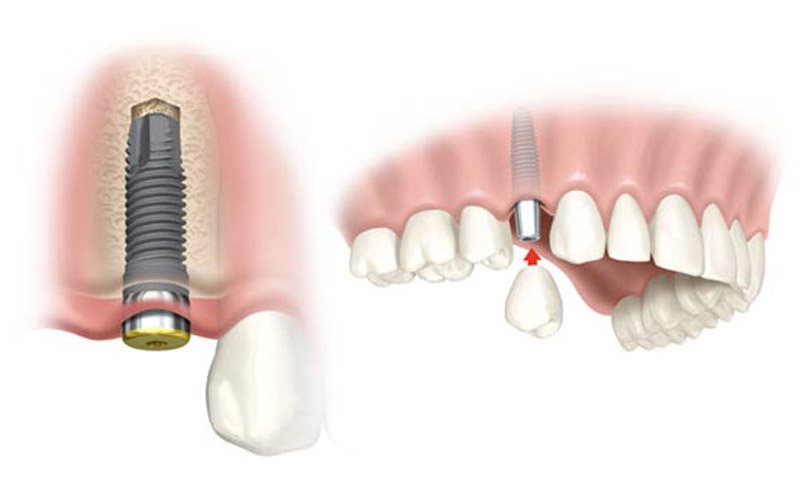
If you’re considering a dental implant after your extraction (or might want that option in the future), having a periodontist perform your extraction is a great choice. We can often save you additional surgeries down the road by preparing the extraction site for a future implant during the extraction procedure.
Since we place dental implants as part of our specialty, we understand exactly what’s needed to set you up for success. You can have extractions, repairs and replacements all done under the Park Cities Periodontics roof.
The Tooth Extraction Process
When you choose Park Cities Periodontics for your tooth extraction, you’re choosing a team that combines medical excellence with genuine care for your well-being. Our state-of-the-art facility, advanced techniques and commitment to your comfort ensure you receive the highest standard of care in a warm, welcoming environment.
During your initial consultation, Dr. Tomlin or Dr. Bowers will review your medical history, take X-rays, examine the affected tooth and surrounding tissues, and create your treatment plan.
Tooth extraction is never just about removing a problematic tooth. We consider how the procedure fits into your overall health picture, including:
- The health of your surrounding teeth and gums
- The preservation of your jawbone and tissue
- Your future restoration options
- Your complete oral health goals
Our goal is to preserve your natural teeth whenever possible, but when extraction is necessary, we ensure it’s part of a larger plan to maintain or improve your oral health.
Frequently Asked Questions
Are there other options besides tooth extraction?
Tooth extraction is not the only method of dealing with damaged or decayed teeth. We explore all viable treatment options that could save a tooth before recommending extraction. However, when a tooth is severely damaged by decay, infection or trauma, or if periodontal disease has caused significant bone loss, salvaging it may no longer be possible. We do not take extractions lightly and will only recommend it when we believe it is the best choice for protecting your oral health.
Can I get multiple teeth extracted at once?
It’s often possible and sometimes preferable to extract multiple teeth in one appointment. This can be more convenient for patients and may make the healing time more efficient. The number of teeth we can safely extract in one session depends on various factors we will assess.
Does getting a tooth extracted hurt?
We thoroughly numb the area with local anesthetic before beginning the procedure. You’ll likely feel pressure during the extraction, but you should not feel pain. If you feel anxious or need multiple extractions, we offer several sedation options to ensure your comfort.
What happens if I don’t replace the extracted tooth?
Leaving a gap after tooth extraction can lead to oral health issues like:
- Shifting of neighboring teeth into the empty space
- Changes in your bite alignment
- Loss of jawbone density in the extraction area
- Increased stress on your remaining teeth
We will discuss tooth replacement options, such as dental implants, during your consultation. Your pre and post operative care will be personalized based on your individual treatment and needs. Dr. Tomlin and Dr. Bowers will review all the important steps, and give you written instructions to follow before and after your procedure.
Expert Tooth Extraction and Oral Care in Dallas
We understand that facing tooth extraction can feel overwhelming. At Park Cities Periodontics & Implant Dentistry, you’ll find a team that listens to your concerns, explains every step of your care and makes your comfort a priority. Our board-certified periodontists, Dr. Beth Tomlin and Dr. Stephanie Bowers, are known for their warm, gentle approach that helps patients feel at ease—even those who’ve avoided dental care due to anxiety or past experiences.
Ready to talk about your options? Contact us at 214-522-9700 or message us online to schedule your consultation.