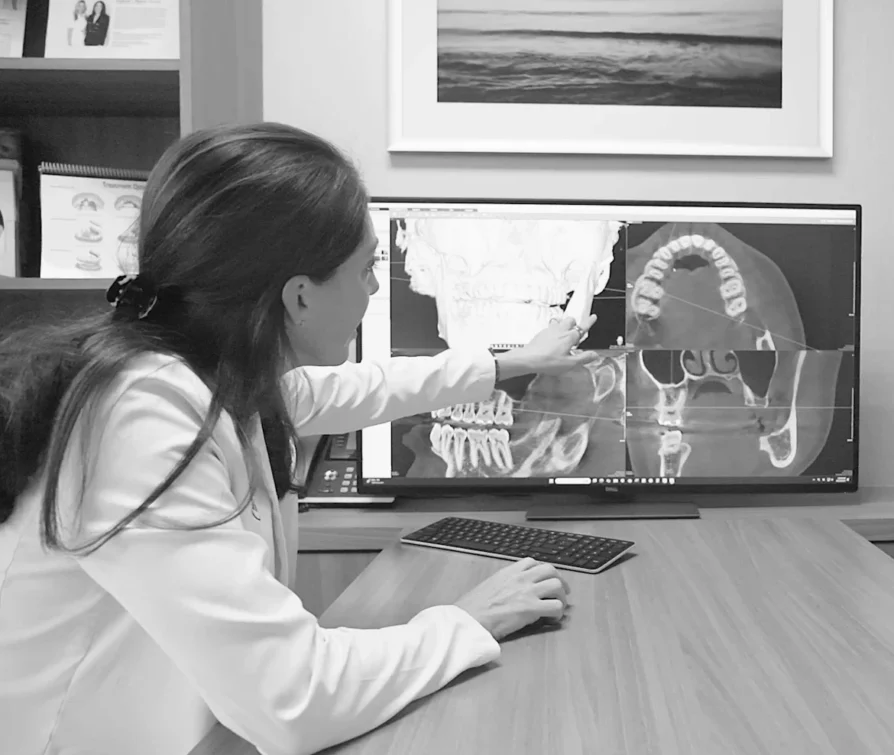
When the roots of your teeth become exposed, it can lead to uncomfortable sensitivity, unaesthetic gum contours, and other oral health concerns. Soft tissue grafting is a predictable way to address recession by covering the exposed areas and helping protect your teeth from further damage. At Park Cities Periodontics & Implant Dentistry in Dallas, we are committed to making every patient feel comfortable while helping them achieve a healthier smile.

Our board-certified periodontists, Dr. Beth Tomlin and Dr. Stephanie Bowers, are dedicated to working closely with each patient to develop a personalized treatment plan. If you are dealing with gum recession, they will help identify the underlying causes and guide you through every step of treatment with confidence and compassion.

What Is Soft Tissue Grafting?

Soft tissue grafting, also called gum grafting, is a procedure that restores gum tissue where it has receded or become thin. When gum tissue recedes, it pulls away from the tooth and exposes the root, which is why you may feel more sensitivity during dental appointments or when consuming hot or cold food or drinks. Gum recession can also lead to other dental challenges, including inflammation, cavities, and in severe cases, loss of the tooth.

During soft tissue grafting, we prevent these future complications and restore comfort by gently placing a small amount of grafted tissue to the affected area. Gum grafting is a common procedure that we use in our office to rebuild gum tissue, protect and support the exposed roots and surrounding teeth, and create a healthier, more stable foundation for your long-term oral health. We will recommend the grafting technique that best fits your individual needs.

Schedule an Appointment

When Do We Recommend Soft Tissue Grafting?

Schedule an Appointment
1

Your Gum Recession Has Exposed Tooth Roots

When the gum tissue pulls away and exposes the tooth roots, it leaves those surfaces vulnerable to damage. In addition to noticing increased sensitivity, you may see a visible notch near the gumline or increased bleeding and inflammation. A gum graft transplant can help rebuild the protective layer of tissue, cover the exposed root, and support the surrounding tissue.

When recession is mild and you are not experiencing symptoms, preventative treatments may be recommended, such as frequent professional cleaning, and guidelines for improving your oral hygiene routine at home.

2

You Have Aesthetic Concerns About Uneven or Receding Gums

Some patients seek treatment because of noticeable changes in how their gums look. Gums that appear uneven or too thin in certain areas can affect the aesthetics of your smile. Gingival grafting can restore the gumline and help your smile appear healthier and more proportionate, while also preventing the future complications of gum recession.

3

Preparation for Other Dental Procedures

We often use soft tissue grafting as part of a larger treatment plan to restore oral health. If you need a crown on an existing tooth or a dental implant to replace a tooth, gum tissue that is thin or has receded may not provide the stability needed to support a new tooth or restoration. Strengthening the tissue through grafting often improves the outcome of other necessary dental work and in certain cases, can even reduce the risk of dental implant failure.

What Are the Benefits of Soft Tissue Grafting?

Soft tissue grafting is a relatively simple procedure that supports long-term oral health and stops gum tissue recession. This procedure not only restores lost gum tissue but can also reinforce areas that may be at risk for future problems. It helps reduce the chances of complications such as continued root exposure, inflammation, or tooth mobility.

Benefits of soft tissue grafting may include:

  • Protection of the vulnerable root surfaces
  • A more stable environment for implants, crowns, or other dental work
  • Lower risk of future gum breakdown or root exposure
  • Less discomfort during brushing, flossing, and dental cleanings
  • Restores a natural, healthy proportion between teeth and gums

Why Choose a Periodontist for Soft Tissue Grafting?

Periodontists complete extensive training, with a focus on diagnosing and treating conditions that affect the gums and the supporting structures of the teeth. They are uniquely qualified to evaluate the best treatment approach based on your anatomy and needs. Gum grafting surgery requires detailed planning and surgical accuracy to produce smooth, natural-looking results. A periodontist is trained to manage both the functional and aesthetic aspects of this type of procedure, minimizing trauma to the tissue and supporting faster, more comfortable healing.

Dr. Beth Tomlin and Dr. Stephanie Bowers are focused on the bigger picture and always plan ahead for your future oral health. They work closely with other providers involved in your care, such as your dentist or orthodontist. Continuity of care is part of how we prioritize both your comfort and your long-term outcomes. If you are managing complex conditions like periodontal disease or bone loss, it is especially important to be under the care of a specialist. Choosing a periodontist means receiving treatment in a setting designed for this exact type of care with a team that is accessible, supportive, and equipped to guide you from the pre-op planning to even your final post-op follow-up.

Schedule an Appointment

What to Expect From the Process

All of your appointments take place in our state-of-the-art facilities with a team of warm and friendly individuals who will make you feel comfortable the moment you step into the office.

Schedule an Appointment
1

Before Soft Tissue Grafting

Your first appointment will be focused on a thorough exam to determine the condition of your teeth and gums. We will take a detailed medical history and use diagnostic aids, like x-rays, to get a closer look at your oral health.

During your consultation, we take your long-term goals into consideration and discuss the procedures and oral hygiene improvements that may be part of your larger plan. We will discuss:

  • Where tissue has been lost and how we can restore it
  • Why your gum recession has occurred and how to prevent future recession
  • How a gum graft will support your long-term gum and bone health
  • Whether any other treatments or procedures will be needed to achieve your oral health goals

Before you leave your consultation, we will give you a detailed folder with all of the information you need to feel confident about all of your upcoming treatments. We include personalized pre- and post-op instructions for your procedure and helpful information about what to expect as you heal. We review all of this with you in person so that nothing feels overwhelming or unclear.

Our commitment to clear communication and ongoing support is shared by the entire team, and we take pride in being available when you have questions or need reassurance.

2

During Your Soft Tissue Grafting

Gum grafting surgery is performed with your comfort and the achievement of effective results as our priorities. The procedure itself is not painful, as we use a local anesthetic to keep the area numb. Most patients choose IV conscious sedation to ensure they feel deeply relaxed throughout the procedure.

The grafting process involves gently removing a small piece of tissue from another area in the mouth, and placing it in the area where the gum has receded. Every procedure is unique, but gum grafts usually take one to two hours to perform.

In many cases, the tissue used for soft tissue grafting is taken from the roof of the mouth, where there is a reliable source of healthy, firm tissue. Depending on the type of graft recommended, it may be taken directly from the surface or from deeper layers. In certain cases we are able to use donor tissue, a safe, medically processed graft material, to restore the lost gum tissue.

The method depends on your individual needs, and we will always discuss the options with you so that you feel fully prepared and confident in your procedure.

3

After Soft Tissue Grafting

Our patient care continues long after your procedure is complete. Once you are home from your surgery, we will remain closely involved in your healing and progress. You will receive a follow-up call from us where we will check on your recovery, answer any questions, and confirm that healing is progressing as expected.

You will also return to the office for several post-operative visits so we can evaluate the graft site and do a gentle cleaning. The exact timeline is different for each person and will depend on the extent of your graft and your overall oral health. You will receive your doctor’s cell phone number when leaving our office, so you can call when you have concerns or questions. Your comfort and peace of mind are priorities at our practice.

4

Your Soft Tissue Grafting Results

After your gums have healed, the grafted tissue blends in with the surrounding tissue, and you will see a difference in the health and appearance of your gums. We pay attention to the unique shape and features of your mouth and gumline as we plan your grafting procedure to ensure the end result looks as natural as possible. You will also feel more comfortable during daily activities like eating, drinking cold or hot liquids, and performing your oral hygiene routine.

We work with each patient toward long-lasting results with improved function and aesthetics that support your oral health, and we will help you continue to maintain your results in the months and years that follow.

Expert Soft Tissue Grafting and Periodontal Care in Dallas

We know that gum recession can cause physical discomfort and stress. At Park Cities Periodontics & Implant Dentistry, you will find a team that takes the time to understand your concerns, explain your treatment options, and support you through every step of your care. Dr. Beth Tomlin and Dr. Stephanie Bowers combine their advanced training and years of experience with a genuine commitment to providing thoughtful, personalized care for every patient.

If you are experiencing gum recession or have been advised to consider soft tissue grafting, we are available to answer your questions and guide you through the next steps. If you are ready to learn more, call us at (214) 522-9700 or message us online to schedule your consultation.