Updated May 2026
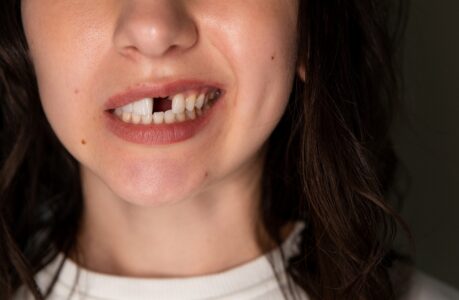
An increasing number of patients who need to replace a missing tooth are turning to dental implants to restore their smiles. Dental implants offer the most advanced tooth replacement technology available and provide a structurally complete prosthetic that no other option can replicate.
What Are Dental Implants?
Dental implants are small cylinders made of biocompatible titanium, meaning that bone tissue is capable of forming a strong bond with them. The result of that process, called osseointegration, is that the implant becomes a stable fixture in the jaw, replacing the missing tooth’s root.
Dental implants can support different restorations across a variety of tooth loss scenarios, from a single missing tooth to an entire arch or both arches. The most important factor is the quality of bone at the implant site and whether it can support osseointegration. Patients who do not have sufficient bone may be candidates for bone grafting prior to placement.
Periodontists are well suited to place dental implants, given their extensive knowledge of gum tissue and the underlying bone structures that are critical to implant success.
Benefits of a Structurally Complete Tooth Replacement
As the only structurally complete tooth replacement consisting of both an artificial root and crown, dental implants offer a number of advantages over conventional appliances. These are five of the most significant:
- Stability: Because they are fixed in the jaw, dental implants hold a restoration securely in place without shifting or movement.
- Durability: Dental implants help preserve the integrity of the jawbone, keeping its shape constant and the fit of the appliance consistent. With proper maintenance, patients can keep an implant-supported restoration for decades.
- Functionality: Dental implants are far more effective at chewing than conventional appliances because they can tolerate the forces needed to process a full range of foods.
- Comfort: With their root-like structure, dental implants feel more like natural teeth than any other replacement option.
- Convenience: Dental implants require no special maintenance beyond standard oral hygiene practices and, in the case of dentures, eliminate the need for adhesives.
To learn more about whether dental implants are the right option for you, schedule a consultation with Dr. Beth Tomlin or Dr. Stephanie Bowers at Park Cities Periodontics & Implant Dentistry. Call us at (214) 522-9700 or contact us online to get started.
Park Cities Periodontics & Implant Dentistry serves patients in Dallas, TX and the surrounding communities.