Updated May 2026
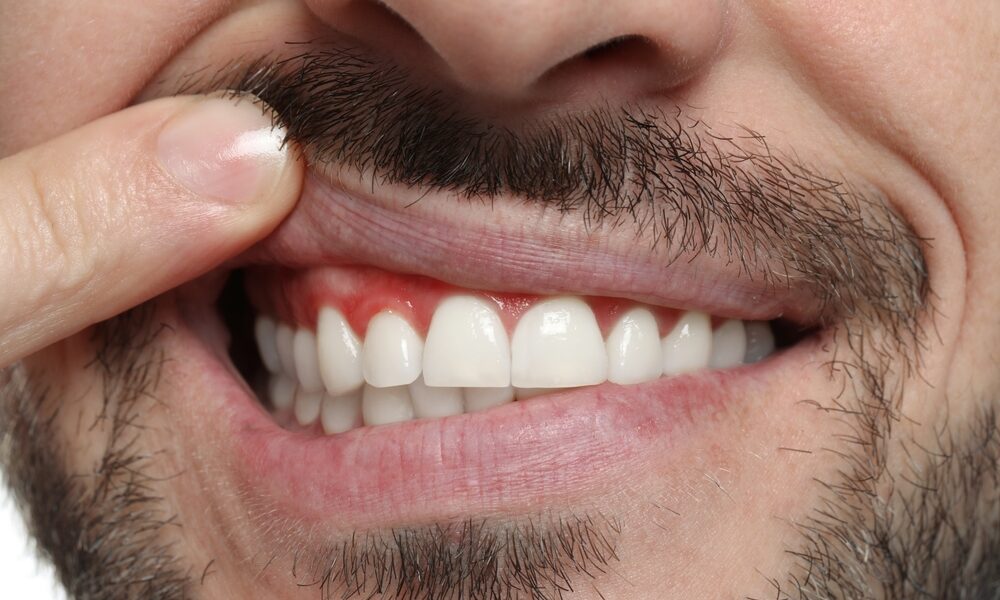
If you brush twice a day and floss faithfully, it can be genuinely frustrating to notice that your gums still look red, feel tender, or bleed when you clean your teeth. This is one of the most common concerns we hear from patients and one of the most important to address early.
The short answer is that good oral hygiene habits reduce your risk of gum disease significantly, but they cannot guarantee immunity from it. Here is why.
Your Technique May Be Working Against You
The most common reason diligent brushers still develop gum inflammation is technique. Many people brush the surfaces of their teeth thoroughly but do not consistently reach the gumline, which is the critical zone where plaque accumulates and bacteria begin to cause damage.
Effective brushing means angling the bristles toward the gumline at roughly 45 degrees and using gentle, circular motions rather than aggressive back-and-forth scrubbing. Brushing should take a full two minutes, as anything shorter means certain areas of the mouth are almost certainly being missed.
Flossing technique matters just as much. Sliding floss straight up and down between teeth is not sufficient. To remove plaque effectively, the floss needs to curve around each tooth in a C-shape and move gently beneath the gumline on both sides of the contact point.
If you are unsure whether your technique is effective, our team is happy to walk you through it at your next visit. You can also find helpful guidance on our Preventative Care page.
Professional Cleanings Are Not Optional
Even patients with excellent home care cannot remove all plaque on their own. Over time, plaque that is not fully removed hardens into tartar, a calcified buildup that cannot be eliminated by brushing or flossing and requires professional instruments to remove.
Once tartar forms along and beneath the gumline, it creates a persistent source of bacterial irritation that leads to inflammation, bleeding gums, and eventually periodontal disease if left unaddressed.
This is why professional cleanings every six months are considered the baseline standard for most patients. For patients who have already been treated for gum disease, more frequent visits are often recommended through Supportive Periodontal Maintenance, typically every three to four months, to keep the disease managed and prevent relapse.
Other Factors That Can Cause Inflammation
Brushing and flossing address bacterial buildup, but gum inflammation does not always begin and end with bacteria. Several other factors can contribute to or worsen the condition of your gum tissue.
Genetics play a meaningful role. Some patients have a predisposition to gum disease that makes them more susceptible regardless of how well they care for their teeth at home. If gum disease runs in your family, more frequent monitoring may be appropriate, and Oral DNA Testing can help identify your specific bacterial risk profile.
Systemic health conditions are also a significant factor. The relationship between oral health and overall health is well established, and our practice takes a whole-body approach through our Optimized Systemic Health program. Diabetes and cardiovascular disease are both associated with increased gum inflammation, and hormonal changes during pregnancy can cause the gums to become more reactive. You can explore these connections further in our Patient Education section.
Tobacco use is another major contributor. Smoking and other tobacco products impair circulation in the gum tissue and can mask the signs of disease while allowing it to progress. Learn more about tobacco and periodontal disease in our education library.
Certain medications, including some blood pressure drugs, anticonvulsants, and immunosuppressants, can also list gum overgrowth or increased gum sensitivity as a side effect. If you have recently started a new medication and noticed changes in your gums, mention it at your next appointment.
When Inflammation Becomes Something More Serious
Gum inflammation that persists despite consistent home care is often an early sign of periodontal disease, and early-stage gum disease is highly treatable. In many cases, a thorough professional cleaning combined with improved home care is enough to reverse the condition before it progresses.
Left untreated, however, gum disease advances. The bacteria migrate deeper beneath the gumline, periodontal pockets deepen, and the infection begins to affect the bone and connective tissue that support the teeth. At that stage, treatment typically involves Scaling and Root Planing or, in more advanced cases, Laser Periodontal Therapy or Osseous Surgery. If bone loss has already occurred, Bone Regeneration may also be recommended as part of your treatment plan.
Patients who have been treated for periodontal disease once face an elevated risk of recurrence, which is why ongoing maintenance and monitoring are a permanent part of the care plan rather than a temporary measure. Our Wellness focus is centered on the goal to support patients in maintaining their results long term.
For patients who feel anxious about treatment, we also offer a full range of Anesthesia Options to ensure every visit is as comfortable as possible.
When to See a Periodontist
If your gums bleed regularly, appear red or swollen, feel tender to the touch, or have begun to pull away from your teeth, it is worth having a specialist evaluate them. Receding gums and chronic inflammation are not problems that resolve on their own, and bone loss can follow if the underlying disease is not addressed.
At Park Cities Periodontics & Implant Dentistry, Dr. Beth Tomlin and Dr. Stephanie Bowers offer a comprehensive evaluation to identify what is driving your symptoms and develop a treatment plan tailored to your specific needs. If you would like to learn more about our team before your visit, you are welcome to read about Dr. Tomlin and Dr. Bowers, or browse our Patient Reviews and Smile Gallery.
If your gums are giving you trouble despite your best efforts at home, schedule a consultation with our team. We can help you understand what is happening and what it will take to get your gum health back on track.
Park Cities Periodontics & Implant Dentistry serves patients in Dallas, TX and the surrounding communities. Call us at (214) 522-9700 or contact us online to schedule your appointment.